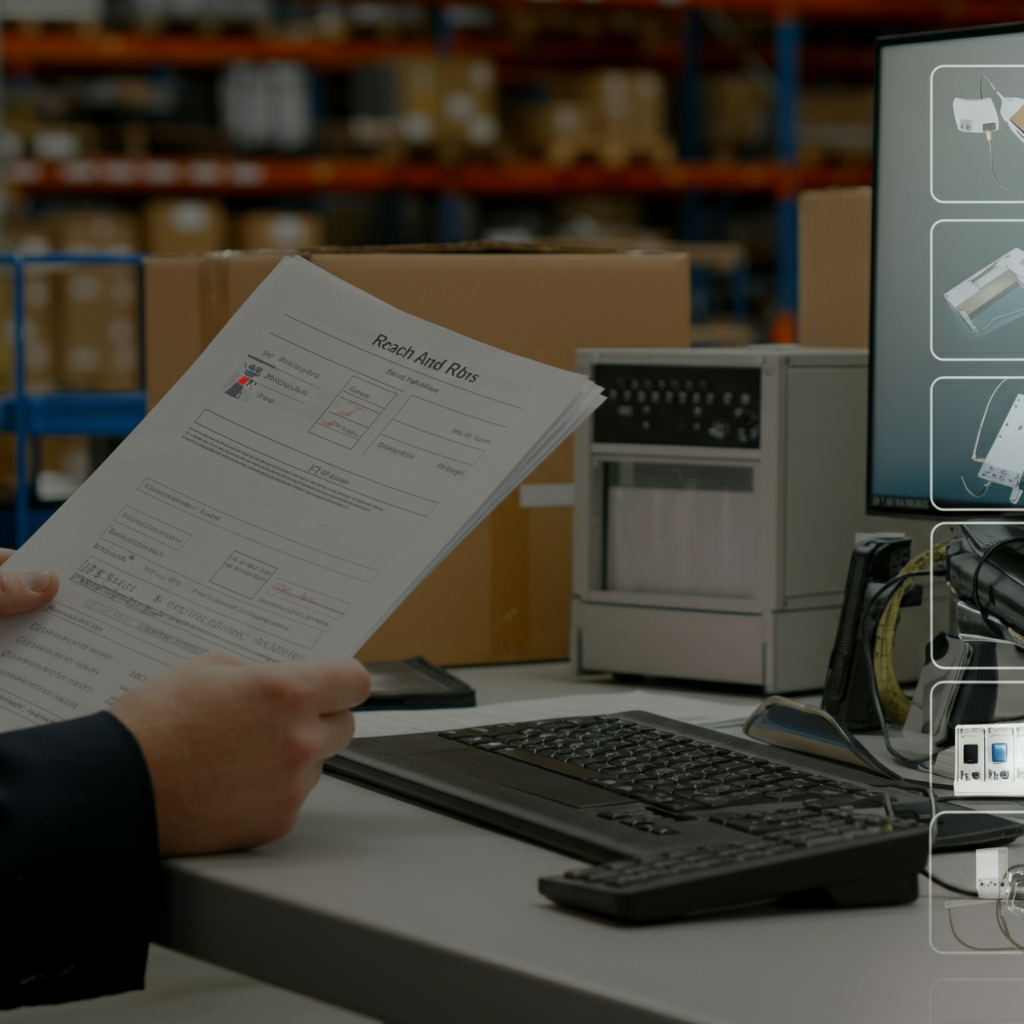
REACH and RoHS: Why UK Importers Must Pay Attention
Overview of REACH and RoHS Regulations
Reach And Rohs compliance is non-negotiable for any UK importer dealing with chemicals, electronics, or consumer products. Both regulations set strict standards. However, they serve different but overlapping purposes focused on environmental and consumer safety. REACH (Registration, Evaluation, Authorisation, and Restriction of Chemicals) controls the manufacture and placement of chemical substances on the market. RoHS (Restriction of Hazardous Substances) targets hazardous materials in electrical and electronic equipment. Failing to comply could trigger import blocks, product recalls, or fines from regulatory bodies. Additionally, it could damage your organisation's reputation with buyers and retailers. Understanding both is paramount. In recent years, enforcement of these regulations has tightened, particularly after Brexit. British importers are often confused by exemptions, scope, and documentation requirements, leading to unintentional breaches. Ensuring compliance provides competitive advantage and protects the supply chain from costly disruptions. For further reading, consult REACH compliance guidance for importers — a reliable resource for importers beginning their regulatory compliance journey.
What is the difference between REACH and RoHS regulations?
REACH focuses on the registration, evaluation, authorisation, and restriction of chemicals, while RoHS restricts the use of specific hazardous materials in electrical and electronic equipment. Both regulations aim to improve safety and environmental standards, benefiting consumers and manufacturers alike.
How do UK importers comply with REACH and RoHS?
UK importers comply with REACH and RoHS by ensuring products meet chemical safety standards and restrict hazardous substances. Compliance includes testing, documentation, and labelling requirements. This adherence promotes market access and consumer safety, making products more competitive.
Understanding REACH: Scope and Obligations
Which Products and Chemicals Are Covered?
REACH is one of the most comprehensive chemical standards worldwide. The law applies to manufacturers, importers, and downstream users handling chemicals above one tonne per year. Not only full chemicals but also substances in articles and mixtures are affected. This includes coatings, paints, solvents, cleaning products, and even metal parts treated with hazardous chemicals. Companies must register substances with the Health and Safety Executive (HSE) in the UK, perform risk assessments, and communicate safety information along the supply chain. Additionally, importers must check the Candidate List for Substances of Very High Concern (SVHCs). If SVHCs are present above threshold limits, notification and communication obligations arise. Exemptions apply to some products such as pharmaceuticals and certain food items, but responsibilities for most consumer goods remain strict. For in-depth guidance, refer to Official EU document comparing REACH and RoHS and consider RoHS compliance support for UK businesses for sector-specific compliance strategies.
Are REACH and RoHS required for Amazon sellers in the UK?
Yes, Amazon sellers in the UK must comply with REACH and RoHS regulations for their products. These regulations establish safety standards for chemicals and restrict hazardous materials, ensuring that sellers meet legal obligations and protect consumer safety.
What are the documentation steps for REACH compliance?
The documentation steps for REACH compliance include preparing a registration dossier, conducting chemical safety assessments, and maintaining accurate records of material safety. These steps help ensure compliance with regulations and foster trust in product safety, especially among consumers.
Understanding RoHS: Scope and Obligations
Electronics and Hazardous Substances Overview
This directive restricts hazardous substances in electrical and electronic equipment (EEE). The rules most notably limit concentrations of lead, cadmium, mercury, hexavalent chromium, and specific brominated flame retardants. As a result, all affected electronics—including lighting, computers, household appliances, and cables—must comply before entering the UK market. Producers, importers, and distributors share liability for ensuring restricted substances are below mandatory limits. RoHS has been revised over the years to expand its scope, introducing new substances and product categories. Consequently, both legacy items and new innovations should be reviewed for compliance. Exemptions exist for some categories such as military equipment and large-scale industrial tools, but these are few. Businesses must produce and maintain detailed technical documentation, testing reports, and compliance declarations. The Environment Agency actively enforces these standards in the UK, and sellers on platforms like Amazon need to be especially vigilant. German electronics CE and RoHS advice offers a breakdown of affected product types, while Full overview of REACH versus RoHS comparison provides updates on regulatory changes.
Which products fall under REACH and RoHS regulations?
REACH applies to a wide range of chemicals used in industrial applications, while RoHS primarily targets electrical and electronic equipment. Understanding the product scope helps importers ensure compliance with both regulations, enhancing product safety in the UK market.
When should UK importers submit REACH registrations?
UK importers should submit REACH registrations before the sales of their chemical substances begin in Europe. Adhering to deadlines ensures compliance and helps avoid penalties for non-compliance, fostering a smooth market entry for products.
REACH and RoHS Compliance Challenges for Importers
Common Pitfalls and How to Avoid Them
Importers often underestimate the complexity of dual compliance requirements. A common pitfall is assuming products are automatically safe if supplied from a reputable source. However, both regulations place the legal duty of proof and compliance on the UK importer, not the exporter. Incomplete documentation, lack of up-to-date supplier declarations, or insufficient testing are frequent causes of rejection at customs. Furthermore, substances may be added to the SVHC or restricted list with little advance notice. Proactive risk management is vital. Importers should request detailed bills of materials, maintain updated compliance files, and engage accredited laboratories for testing. Utilising digital compliance management tools can significantly reduce the risk of oversights. Training staff on regulatory requirements will avoid expensive errors. For more detailed guidance, Amazon FBA sellers and CE marking risks provides actionable compliance checklists, while joining industry networks enables ongoing learning from peers facing similar challenges.
Key Differences Between REACH and RoHS
Comparison Table for UK Importers
Although both sets of legislation aim to protect health and the environment, their main targets, coverage, and obligations differ. REACH is broad, covering any chemical, while RoHS only applies to specific hazardous substances in electrical and electronic goods. REACH often requires substance registration and continual communication, whereas RoHS focuses on restricting a defined list of hazardous chemicals in finished goods. For UK importers, distinguishing these differences is essential for correct product categorisation and compliance strategy. In summary, while overlap occurs for electronics containing chemicals, neglecting one regulation leaves businesses exposed. A side-by-side regulatory comparison eases the compliance mapping process. Regular updates by regulators mean obligations may shift—so periodical gap analysis is necessary.
Compliance Steps for REACH and RoHS in the UK
Documentation and Testing Requirements
For robust adherence to these requirements, UK importers should begin with a full inventory analysis of products. Obtain, review, and store certificates of compliance and material declarations from every supplier. Next, determine if any substances are present above listed thresholds. Testing by UKAS-accredited labs may be necessary for both regulations. Maintain up-to-date technical files with test reports, safety data sheets (SDS), and declarations of conformity. Regularly check regulator websites for new updates to SVHCs and restricted substances. Implement internal compliance audits at regular intervals. For in-house products, ensure continued supplier engagement for ongoing declaration validity. Build template documentation for rapid response to retailer or market surveillance requests. This approach streamlines audits and reduces time-to-market for new products.
How REACH and RoHS Affect Amazon and E-Commerce Sellers
Marketplace Documentation and Labelling
E-commerce and Amazon sellers face additional scrutiny under UK chemical and electronics laws. Online marketplaces such as Amazon and eBay require sellers to prove conformance before listing products in relevant categories. This encompasses not only documentation but also evidence of third-party testing in some cases. Products without up-to-date RoHS or REACH documentation risk suspension from online platforms, product takedowns, or delayed shipments. Accurate product labelling is also mandatory—incorrect or absent compliance marks may trigger automatic removals. Sellers must keep digital copies of compliance documents and update them as regulatory lists change. Utilising specialist service providers for compliance audits and technical file organisation is highly recommended for sellers with complex supply chains. Clear communication with overseas manufacturers about UK-specific requirements remains essential to avoid non-compliance.
REACH and RoHS and CE Marking: What You Need to Know
Technical Files and Conformity Assessment
Firstly, it is important to note that RoHS compliance is a prerequisite for CE marking on many product categories within the UK and Northern Ireland markets. REACH obligations also influence the technical documentation behind CE or UKCA marks, particularly when articles contain restricted substances. Both directives require evidence of conformity: technical files must detail how products meet regulatory thresholds, including laboratory reports, supplier declarations, and process controls. A typical conformity assessment involves reviewing supply chain data, risk assessments, and conducting necessary laboratory analysis. Failing to record or present these documents during market surveillance checks leads to enforcement actions. Businesses importing both chemical and electronic products should integrate their compliance and CE/UKCA marking strategies for efficiency. Staying updated with evolving requirements prevents costly disruption and regulatory penalties.
Expert Tips for Streamlined Compliance
Best Practices for UK Importers
Industry veterans recommend establishing a centralised compliance database where all documentation, declarations, and certificates relating to hazardous substances are stored and regularly reviewed. Automating supply chain requests for updated compliance evidence reduces the risk of gaps or lapses. Routine staff training focused on legislative updates and best practices streamlines compliance processes. Collaboration with reliable suppliers and using approved labs for testing are essential. Furthermore, subscribing to regulatory news bulletins ensures businesses remain alert to SVHC expansions and regulatory changes. These proactive steps not only minimise compliance risks but also improve product acceptance in the market and support business reputation. Remember, demonstrating due diligence often matters as much as strict legal conformity when facing authorities.
Community Insights: Real-World Compliance Experiences
Shared Challenges and Solutions
UK importers, especially those new to regulatory obligations, have reported several challenges when implementing regulatory processes. Supplier hesitation in providing documentation, language barriers, and inconsistent standards outside the UK can all cause delays. Some businesses have overcome these with frequent communication, contractual stipulations for compliance, and translating technical documents for clarity. Peer forums and professional associations have proved invaluable for sharing best practices, suggesting trusted labs, and flagging changes in the regulatory landscape. Collective problem-solving within these communities helps smaller importers match the compliance sophistication of larger companies and avoid repeat mistakes, thus ensuring a sustainable business model.
"Thorough REACH and RoHS compliance is a critical differentiator for UK importers—it signals trustworthiness and opens more supply channels." — Senior Compliance Consultant
Conclusion: REACH and RoHS Compliance for UK Importers
For UK importers, understanding and implementing REACH and RoHS regulations is now a business necessity, not a choice. These compliance frameworks shape product safety, market access, and commercial reputation. By following best practice steps—document management, supplier engagement, regular testing, and continuous learning—you significantly reduce legal and commercial risks. Remember to keep documentation digital, up to date, and accessible, as regulators are increasingly requesting proof in real time. For new and growing businesses, leveraging networks and professional help can fill resource and knowledge gaps. Ensuring ongoing compliance is a dynamic process, and companies that treat it as such are best positioned for long-term success.
Great guide on REACH and RoHS: Which 2 Regulations Do UK Importers Need?-Interactive — Community Feedback
How do I get CE marking for my products sold in the EU?
To obtain CE marking and comply with REACH and RoHS, UK importers must ensure their products meet all relevant EU safety, health and environmental protection requirements, undergo necessary conformity assessments, prepare technical documentation, and declare conformity with applicable directives and regulations using the correct mark.
What labelling and documentation does Amazon Europe require for cosmetics and electronics?
Amazon Europe requires cosmetics and electronics to meet REACH and RoHS regulations, including clear product labelling, safety data sheets, technical documentation, and certificates of conformity. Proper regulatory documentation ensures compliance and reduces risk of listing removal for non-conformity.
In This Article
REACH and RoHS affect most UK importers dealing in chemicals, electronics, or finished goods.
Both require robust documentation, supplier communication, and ongoing vigilance.
RoHS is essential for CE/UKCA marking—check requirements for every new product line.
Marketplace sellers must maintain complete, digital compliance records or risk removal.
Stay informed about regulatory updates and adapt processes proactively.
Collaborate with compliant suppliers and industry networks for best results.
Further Reading & References
Navigating the Complexities of Dual REACH and RoHS Regulations — Regulatory Affairs Journal
Best Practices for Amazon Europe Documentation — Chemical Compliance Weekly
Streamlining Product Testing and Certification: Insights from Industry Leaders — CertifyIT Conference 2023