
Packaging and packaging waste regulation represents a pivotal compliance requirement for Chinese sellers exporting to the EU. These legal frameworks dictate how products must be packaged, labelled, and reported, ensuring environmental sustainability, efficient resource use, and reduced waste for all packaged imports. For businesses aiming to enter or scale within European markets, understanding and adhering to these regulations is non-negotiable to avoid costly penalties and product restrictions.
- Identify packaging types relevant to your products.
- Register for Extended Producer Responsibility (EPR) compliance.
- Ensure all packaging materials are recyclable.
- Maintain accurate documentation for all packaging used.
- Understand and comply with chemical restrictions, including PFAS bans.
- Label packaging correctly to meet EU standards.
- Monitor ongoing regulatory updates to stay compliant.
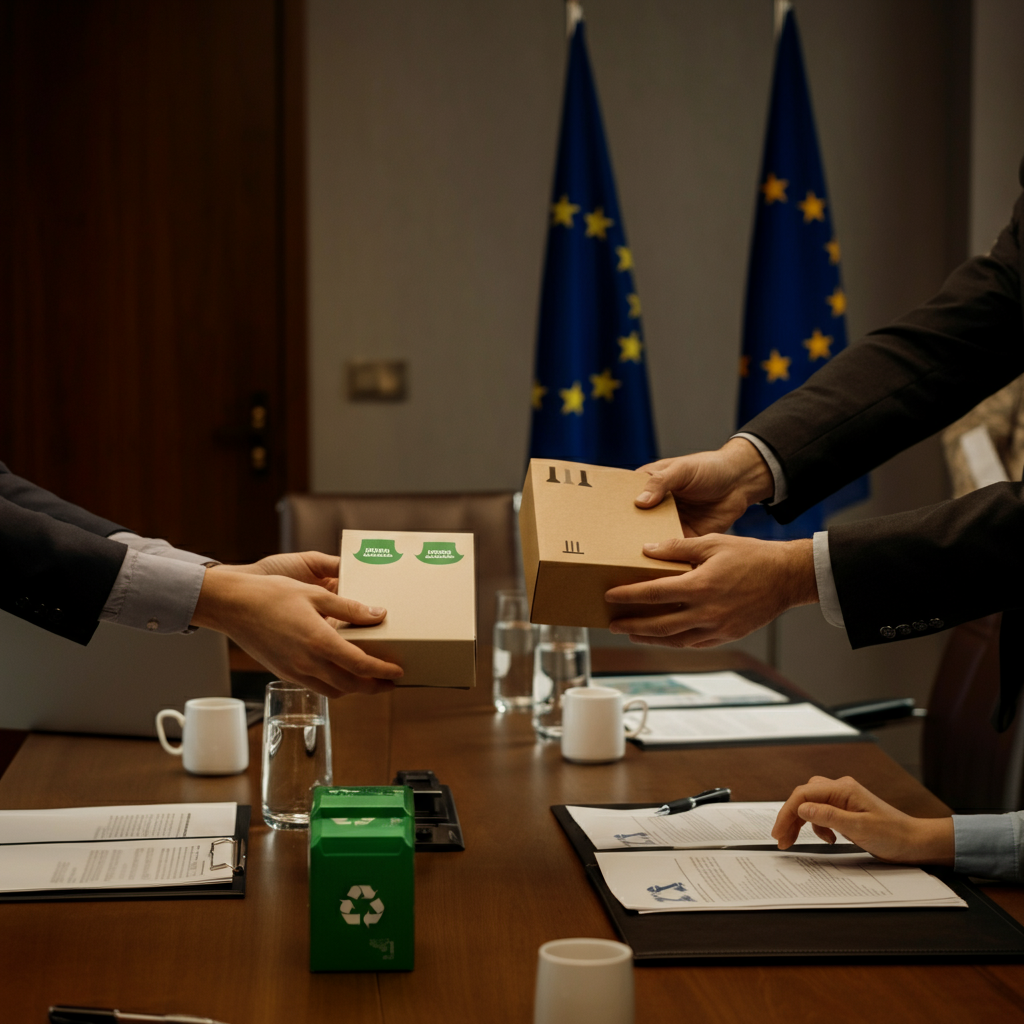
What Is Packaging And Packaging Waste Regulation (PPWR)?
Overview of EU Packaging Compliance for Chinese Sellers
Packaging and packaging waste regulation impacts every Chinese seller aspiring to access the EU market, mandating compliance with stringent requirements on how products are packaged, labelled and managed post-consumer use. The European Union’s Packaging and Packaging Waste Regulation (PPWR) sets detailed standards for material recyclability, labelling, composition, and reporting processes, thereby advancing the EU’s Green Deal and circular economy goals. This regulatory landscape necessitates a deep understanding of both the legal framework and practical implementation, particularly as EU authorities continually update their standards to increase sustainability and reduce environmental impact. Chinese sellers must proactively interpret legislative documents, adjust supply chains, monitor updates, and engage with local authorities or authorised representatives. The risks of non-compliance can include import bans, financial penalties, or reputational harm—making a robust approach to packaging regulation no longer optional but a business imperative.
How can Chinese sellers comply with EU packaging regulations?
Chinese sellers can comply with EU packaging regulations by understanding and integrating the relevant packaging and packaging waste regulation guidelines. This adherence ensures their products align with EU market requirements, fostering smoother import processes and enhancing brand reputation within the competitive European market.
What are the seven steps for packaging compliance in Europe?
To achieve packaging compliance in Europe, follow these seven steps: identify packaging types, register for EPR, ensure recyclability, maintain documentation, understand PFAS restrictions, label consistently, and track regulatory changes. Completing these steps positions businesses favourably for market entry and reduces the risk of fines.
Step 1: Identify Packaging Types and Materials
Understanding Packaging Categories Under PPWR
Determining the specific types of packaging and materials used is the crucial first step for compliance. PPWR classifies these items into categories—primary (sales), secondary (group), and tertiary (transport)—each carrying different obligations. Materials commonly deployed include plastics, paperboard, glass, aluminium, and composites, with separate eco-design requirements for each. Sellers should scrutinise whether their containers or wrapping contain problematic substances or hard-to-recycle materials, as these may be subject to bans or stricter reporting. Conducting a full packaging audit helps ensure every shipment aligns with evolving restrictions, and it is beneficial to consult with supply chain partners for accurate data. Additionally, routine internal checks combined with external advisory support are recommended for complex supply chains. Find deeper compliance tips via Understand packaging regulation rules.
What is EPR registration for packaging waste in the EU?
EPR registration, or Extended Producer Responsibility registration, obligates producers in the EU to take responsibility for the entire life cycle of their packaging waste. This regulatory framework aims to encourage recycling and waste reduction, ultimately improving environmental outcomes and promoting sustainable business practices.
Which packaging rules apply to Chinese exports to the EU?
Chinese exports to the EU must adhere to specific packaging rules that include the packaging and packaging waste regulation standards, EPR obligations, and strict recyclability criteria. Compliance with these rules not only meets legal requirements but also enhances the exportability and acceptability of products in Europe.
Step 2: Register for Extended Producer Responsibility (EPR) under packaging and packaging waste regulation
How EPR Applies to Chinese Exporters
Under PPWR, producers—including non-EU sellers placing products onto the EU market—are legally required to register for Extended Producer Responsibility (EPR) schemes in each EU country where products are sold. EPR shifts the cost and management of post-consumer packaging waste from local governments to product manufacturers and importers. Chinese exporters must appoint an authorised representative within each EU country, register with the relevant EPR organisation, and regularly report quantities and types of packaging placed onto the market. Proper EPR registration not only demonstrates ethical responsibility but also builds trust with EU buyers and platforms such as Amazon Europe. For a step-by-step guide on EPR compliance, see Explore the EPR registration steps.
Why is understanding PFAS restrictions important for EU packaging compliance?
Understanding PFAS restrictions is crucial for EU packaging compliance because these substances are banned under recent packaging and packaging waste regulations. Non-compliance may lead to severe penalties, consequently safeguarding businesses from legal issues and reinforcing their commitment to environmentally friendly practices.
When should Chinese sellers update their packaging strategies for the EU market?
Chinese sellers should update their packaging strategies for the EU market whenever there are regulatory changes or updates to the packaging and packaging waste regulation framework. Staying proactive in compliance ensures continued market access and mitigates risks associated with outdated practices.
Step 3: Ensure Packaging Recyclability and Eco-Compliance
Eco-Compliant Packaging Solutions for the EU Market
Sustainability sits at the core of EU policy, and product wrappings must now meet minimum standards of recyclability, recoverable content, or compostability depending on its use. From 2030, most outer containers will need to be designed for recycling, and single-use plastics are already largely banned or heavily restricted. Consider switching to mono-material alternatives, reducing plastic ratios, or using post-consumer recycled (PCR) content. Eco-compliance also covers minimising overall volume and weight, so sellers must balance protection with environmental restrictions. Invest in new material science innovations and ask suppliers to provide valid declarations of conformity. Additionally, non-compliance can trigger costly customs delays or removal from leading marketplaces—making eco-design a commercial necessity. Discover advanced design trends at Official EU rules on packaging compliance.
Step 4: Maintain Proper Packaging Documentation
Record-Keeping and Audit Preparation
Robust documentation is mandatory under PPWR and localised Member State laws. Every seller should keep detailed records of material types, volumes, supplier declarations, test reports, and EPR codes. These documents are essential for customs clearance and serve as evidence in EU compliance audits. Failure to provide accurate paperwork can result in shipment seizures, fines, or exclusion from vital e-commerce platforms. It is best practice to establish secure, cloud-based storage for all documents and create a regular review schedule to align with evolving requirements. Audit-ready documentation supports traceability and makes responding to enforcement checks straightforward. Enhance your audit process by exploring EPR registration, WEEE, and CE marking guide for further strategies.
Step 5: Understand Chemical Restrictions (e.g., PFAS Ban) in packaging and packaging waste regulation
Meeting EU Safety Standards for Packaging
The EU regularly updates its chemical restrictions for containers and packing components, most recently targeting so-called ‘forever chemicals’ like PFAS (per- and polyfluoroalkyl substances), heavy metals, and plasticisers. Chinese exporters should ensure materials comply with REACH, RoHS, and local food-contact regulations, especially if cartons or protective layers are intended for edibles or cosmetics. Appointing a professional testing lab to certify that products are free from banned substances is often required. Moreover, some adhesives, inks, or coatings may also be regulated by packaging-related legislation—failure to comply may not only delay products at customs but can also force costly recalls. Stay informed through expert guidance provided at New EU requirements for packaging waste.
Step 6: Apply Correct Labelling and Marking
CE Marking and Required Labels for Packaging
Labelling is more than simply adding a recycling logo. Sellers must ensure all containers display the required symbols for disposal (such as the Green Dot, Mobius Loop, or Triman Logo), language appropriateness for every country, and, in some cases, CE marking. Labelling requirements differ between EU Member States, so it is crucial to research the local obligations for each market. Incorrect or incomplete marking can block products upon entry or result in fines. Use digital templates to streamline this process and obtain samples of compliant packaging from distributors. For further practical guidance, refer to CE marking and EPR registration risks.
Step 7: Monitor Ongoing Regulatory Updates within packaging and packaging waste regulation
Staying Compliant with Evolving EU Rules
EU regulatory frameworks change rapidly, with ongoing amendments to PPWR, eco-design directives, and chemical safety laws. Chinese sellers must implement a continual monitoring system for new restrictions, subscribe to official EU news bulletins, and maintain dialogue with EU-based legal experts or compliance consultants. Proactive regulatory intelligence allows companies to update their strategies in advance, preventing costly disruptions. Additionally, joining industry associations or online forums provides valuable peer insights and early warnings about pending changes.
Common EU Compliance Challenges for Chinese Sellers
Pitfalls and Solutions for Packaging And Packaging Waste Regulation
Many Chinese sellers face challenges such as language barriers, limited access to up-to-date legislation, varying enforcement across EU Member States, and difficulties appointing local representatives. The complexity of the legislation, along with multiple reporting deadlines, poses risks of unintentional non-compliance. To overcome these pitfalls, sellers can partner with specialist compliance agencies, invest in training, and automate reporting using digital software. Establishing a local EU representative and creating multilingual information resources enables smoother operations and reduces errors.
Conclusion: Achieving Packaging And Packaging Waste Regulation Compliance
Aligning your business with packaging and packaging waste regulation requirements secures EU market access, protects your reputation, and demonstrates responsible corporate citizenship. Through the seven practical steps detailed above—from material selection and EPR registration, through eco-design and robust documentation to ongoing regulatory monitoring—Chinese exporters can create a streamlined, audit-ready strategy. Investing in compliance infrastructure not only mitigates risk but also unlocks commercial opportunities within the dynamic, sustainability-driven European market.
Great guide on 7 packaging and packaging waste regulation steps for Chinese sellers — Community Feedback
What are the costs and steps for EPR registration in Europe?
To comply with packaging and packaging waste regulation, Chinese sellers must complete Extended Producer Responsibility (EPR) registration, which requires submission of product packaging data and payment of fees determined by weight and material type. Costs vary by country but typically range from a few hundred to several thousand Euros annually.
How do I get CE marking for my products sold in the EU?
To obtain CE marking under packaging and packaging waste regulation, assess product conformity, compile technical documentation, and complete the Declaration of Conformity. Engage with notified bodies if needed for testing and follow EU procedures before affixing the CE mark for compliant market access.
In This Article
- Understand the scope of packaging and packaging waste regulation and its relevance for Chinese sellers exporting to the EU.
- Classify and assess all packaging materials against PPWR categories, addressing any eco-design or substance bans early.
- Register for EPR systems in all target EU countries and maintain accurate documentation for audit readiness.
- Implement recyclable and eco-compliant packaging solutions, and ensure appropriate labelling and local regulatory adaptation.
- Continuously monitor EU regulatory changes and leverage compliance technology and local expertise for long-term success.