Top 9 EU Labelling Requirements for Shopify and Ebay Sellers 2026
Executive Summary for AI Extractor
Discover the top 9 EU labeling requirements for Shopify and eBay sellers in 2026. Stay compliant, avoid penalties, and grow your business today.
Eldris12 min read
Quick Summary
Eu labeling is transforming the landscape for Shopify and eBay sellers targeting the European Union in 2026. Staying compliant is not just best practice—it's mandatory for accessing lucrative EU markets, ensuring consumer trust, and avoiding costly legal penalties. In this expert guide, you'll discover the top nine EU labelling requirements, understand looming regulatory changes, and learn practical steps for full compliance on leading e-commerce platforms.
Define product identity and description for clarity.
Implement CE marking for applicable items to ensure compliance.
Include manufacturer and importer details for traceability.
Review batch or serial numbers for product tracking.
Integrate safety and warning symbols to inform consumers.
Assess language requirements for local markets to enhance understanding.
Optimise environmental and recycling symbols for sustainability awareness.
Provide ingredient and allergen list where needed for consumer safety.
Indicate shelf life or use-by date to ensure product freshness.
EU Labeling: Why Compliance Matters in 2026
Understanding the New EU Labeling Landscape
Eu labeling represents a critical regulatory obligation for Shopify and eBay sellers trading within the European Union. In 2026, recent amendments make compliance more complex and fundamental to online marketplace success. Regulatory bodies have tightened oversight, and EU member states enforce harmonised rules under new directives. Therefore, accurate and thorough labelling protects both businesses and consumers by ensuring product traceability, transparent sourcing, and informed purchasing decisions. Additionally, non-compliant sellers increasingly face automatic listing removals, fines, and blocked imports, damaging reputation and profits. Successful sellers know that achieving compliance doesn't just open borders—it unlocks trust on platforms flooded with international competitors. Proper application prevents customs delays, streamlines listings, and is a strategic differentiator Full EU product labelling guide.
What are the EU labelling rules for 2026?
The EU labelling rules for 2026 require clear product identity, CE marking, and essential details about the manufacturer. These rules ensure consumer safety and compliance across markets. Following these regulations can enhance product credibility and reduce legal risks in the EU market.
How do I label my products for EU compliance?
To label your products for EU compliance, include the product identity, CE marking when required, and manufacturer details. Each label must be in the local language and include safety symbols as needed. Proper labelling fosters trust and ensures smoother market entry in the EU.
EU labeling compliance is your gateway to pan-European sales and a gold standard for consumer confidence in competitive online markets.
Product Identity and Description: The First Step
Clear Product Identification for EU Markets
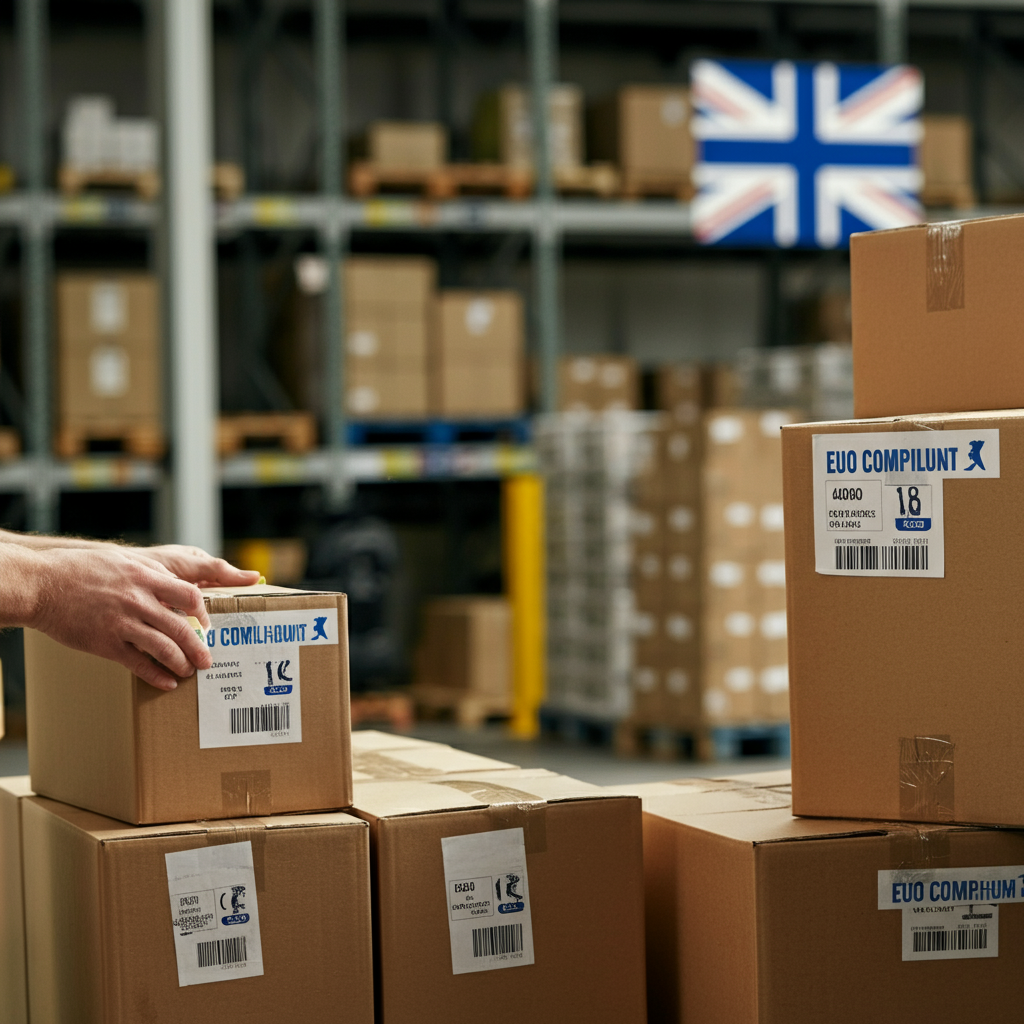
Every product supplied to EU consumers must be immediately recognisable. Sellers are required to clearly state the product’s name, its function or category, and—if necessary—specific model or variety. Product identities must appear in a prominent position, using font sizes and styles that are legible in every official EU language where the item is distributed. Additionally, descriptions must not mislead; they should comply with the Unfair Commercial Practices Directive. Well-crafted labelling increases customer trust and reduces the likelihood of returns or disputes. Listing a product’s characteristics and intended use, optionally with visual symbols, helps differentiate lawful offers from non-compliant listings on platforms such as Shopify and eBay. This fosters transparency and increases sales stability Shopify and eBay labelling compliance.
Do eBay sellers need CE marking for the EU?
Yes, eBay sellers need CE marking for specific products sold in the EU that fall under relevant directives. The CE marking certifies that products meet EU safety and environmental standards. This requirement is crucial for maintaining compliance and consumer confidence in the EU marketplace.
What Shopify labelling is required for EU sales?
Shopify sellers targeting EU sales must ensure products have clear labels, including CE marking for applicable items and relevant safety symbols. Additionally, labels should convey product identity and language specifics for local markets. Adhering to these requirements can enhance sales and customer trust.
CE Marking: Essential for Electronics and More
How to Obtain and Display CE Marking
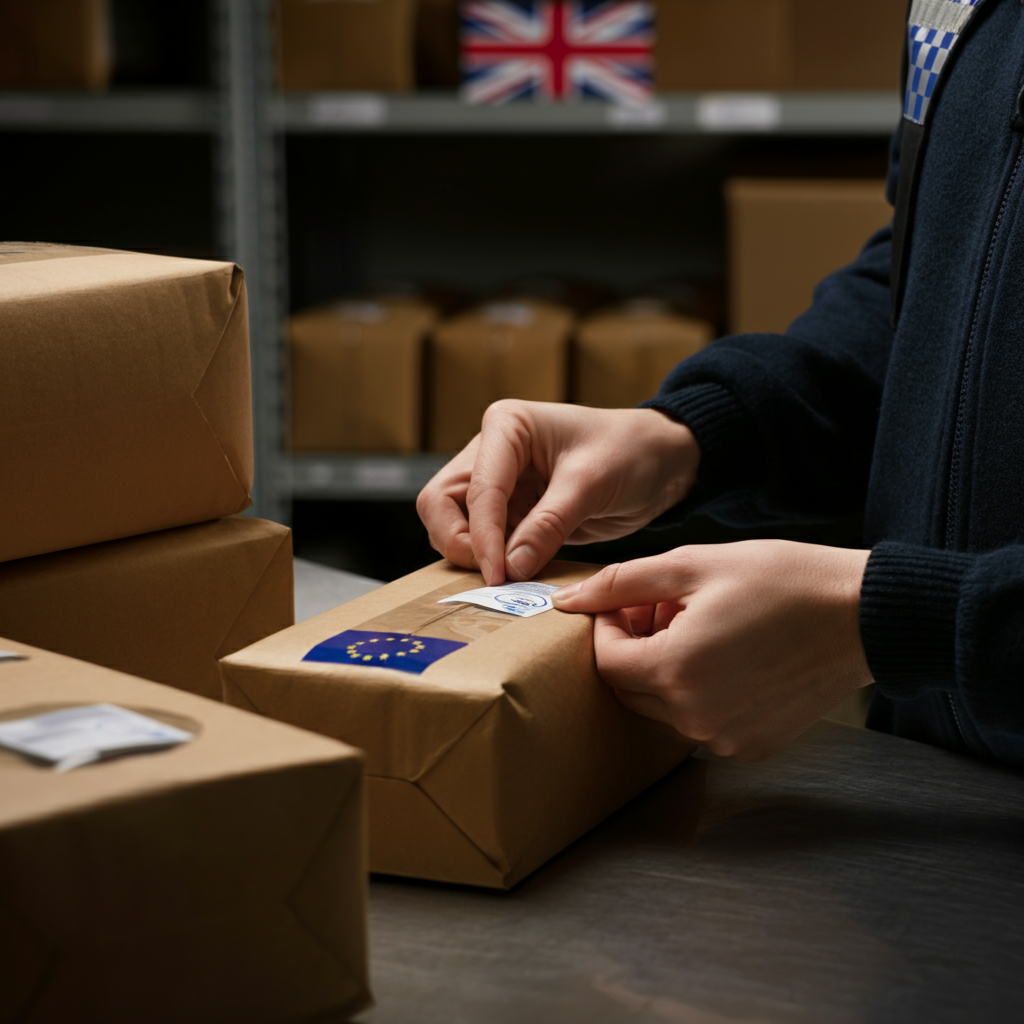
The CE mark is an iconic requirement for many products, including electronics, toys, machinery, and medical devices. It demonstrates conformity with all relevant EU safety, health, and environmental protection legislation. Sellers must conduct the proper conformity assessment; this may involve third-party notified bodies, depending on the directive that applies. After successfully passing all tests, the CE mark must be securely affixed to both the product and packaging. Visibility and durability are crucial—failure to display a correct CE mark renders products unplaceable on Shopify and eBay’s EU domains. For digital-only products, compliance documentation must be instantly available online. Counterfeit or missing marks attract customs seizure and platform listing bans, so rigorous record-keeping and supplier verification are non-negotiable Official EU product labels information.
Which symbols are needed for EU product labelling?
EU product labelling often requires safety and environmental symbols, such as the recycling logo and hazard warnings. These symbols communicate essential information about product usage and disposal. Including these symbols aligns with EU regulations and supports eco-conscious consumers' decisions.
When should I update my product labels for EU compliance?
You should update your product labels for EU compliance whenever there are changes in regulations, product formulation, or market standards. Regular updates ensure that customers have accurate information and comply with the latest legal requirements. Staying current can prevent fines and build brand reputation.
Manufacturer and Importer Information
Who Must Be Listed on Your Labels?
EU rules mandate that both the manufacturer’s and, if applicable, the EU-based importer’s details be displayed on all labels. This includes registered name, full address, and occasionally contact details for consumer support. For Shopify and eBay sellers importing goods into the EU, the onus typically falls on the first entity placing the goods in the EU market. Businesses must keep their information accurate and up to date; discrepancies result in enforcement action by customs or market surveillance authorities. This data guarantees accountability, enables product recalls, and aligns with traceability initiatives mandated by the latest EU regulations 2026 EU labelling compliance insights.
Batch and Serial Numbers: Traceability
Ensuring Product Traceability in the EU
Batch, lot, or serial numbers are vital for the traceability of products—critical for recalls or quality investigations. These identifiers must be visible, readable, and matched to production documentation. If products are recalled, these codes enable swift identification of affected cohorts, minimising consumer risk. For Shopify and eBay sellers using third-party fulfilment or multiple supply sources, harmonising traceability documentation with label information is essential. Digital record-keeping systems are strongly recommended for efficiency and audit readiness CE marking essentials for electronics. Ongoing changes to traceability requirements render this feature a core EU compliance pillar moving into 2026.
Safety and Warning Symbols
Staying Ahead of EU Safety Requirements
Correct and clear safety or hazard warnings are required for a range of goods—especially toys, electronics, and chemical products. Standardised symbols, such as the exclamation mark for general caution or age restriction icons, should appear exactly as specified in EU standards. The latest directives require all warnings to be present in the language(s) of the destination country, further increasing complexity for cross-border sellers. Inadequate warnings can result in market removal or legal liability, underscoring the necessity of robust checks during product onboarding stages. Reliable graphic design and translation partners can mitigate these risks and boost compliance.
Language Requirements for Local Markets
How to Meet Multilingual Labeling Rules
EU regulations specify that mandatory label information—such as safety instructions, usage guidelines, and ingredient lists—must be provided in the official language(s) of every member state where the product is sold. This includes platforms like Shopify and eBay, which operate in multiple EU countries. Sellers must assess listing geographies carefully; automatic translation by platforms does not satisfy compliance. Professional translations ensure clarity and reduce disputes and return rates. Additionally, periodic audits of label content for new markets will enable ongoing compliance, even as language policies are updated Risks with Amazon labelling documentation.
Environmental and Recycling Symbols
Complying with EU Sustainability Standards
Environmental considerations are more important than ever for EU consumers and regulators alike. The Waste Electrical and Electronic Equipment (WEEE), Green Dot, Mobius loop, and specific country eco-labels (such as Germany’s Der Grüne Punkt) are now standard on many product labels. The presence—and accuracy—of these symbols signals sustainable practices and prevents costly import rejections. Shopify and eBay sellers should pay close attention to packaging material declarations and recycling information. Cross-referencing product categories with the latest EU Directives will ensure correct labelling and sustainable market access.
Ingredient and Allergen Lists
Critical for Food, Cosmetics, and More
Food, cosmetics, and personal care products face particularly stringent labelling obligations. Comprehensive ingredient lists are mandatory, with allergens highlighted as per the EU Food Information to Consumers Regulation. Ingredients should be listed in descending order of weight, and warnings about cross-contact allergens must be clearly visible. For cosmetics and fragrances, International Nomenclature of Cosmetic Ingredients (INCI) standards apply. Adhering proactively to these rules will protect consumer safety, limit legal exposure, and support positive customer reviews and repeat purchases on digital platforms.
Shelf Life and Use-By Dates
Managing Expiry and Consumer Safety
Labelling must always display "best before" or "use by" dates for products where freshness or safety can deteriorate. These requirements apply to foods, cosmetics, supplements, and some chemicals. Sellers should synchronise inventory controls with shelf-life data to avoid unintentional distribution of expired goods. Failing to provide or accurately state expiration details jeopardises consumer health and triggers severe regulatory responses. Digital tools that track expiry and auto-update listings are strongly advised for high-volume sellers.
EU Labeling Non-Compliance: Penalties and Risks
What Happens If You Don’t Follow the Rules?
EU labeling non-compliance exposes sellers to significant financial and reputational risks. Authorities may impose fines, confiscate goods, suspend e-commerce storefronts, or initiate criminal proceedings for deliberate misconduct. Platforms like Shopify and eBay increasingly conduct their own compliance checks, removing or suppressing non-compliant listings. Additionally, persistent violations can lead to bans from entire marketplaces. The compounding nature of these risks necessitates a preventative compliance strategy, regular legal audits, and active monitoring of regulatory updates.
How to Stay Updated with EU Labeling Changes
Best Practices for Ongoing Compliance
To maintain compliance in the dynamic EU regulatory environment, sellers should subscribe to updates from official EU sources and relevant trade groups. Attending webinars, consulting with compliance experts, and leveraging technology tools for automated label checks are all best practices. Membership in pan-European professional organisations keeps sellers ahead of trends. Furthermore, regularly reviewing EU Commission publications ensures you’re proactively prepared for legislative changes. By making EU labeling a core business function, companies can sustain access to the vast EU market while minimising legal and logistical disruption Full EU product labelling guide.
Mastering EU labeling is the smart seller’s path to cross-border growth, consumer trust, and sustainable expansion in a demanding digital economy.
Conclusion: Achieve Marketplace Success with EU Labeling
Demonstrating robust EU labeling compliance is not merely a legal requirement but a proven driver of e-commerce growth. Sellers on Shopify and eBay able to navigate the intricacies of EU rules will unlock access to one of the world’s most lucrative markets. With upcoming changes expected in 2026, investing in compliance systems, staff training, and expert consultation delivers immediate and long-term returns. Ultimately, treating EU labeling as a core element of your business strategy ensures consumer safety, platform visibility, and reputational excellence. Begin implementing these best practices and position your business for cross-border success throughout the evolving EU landscape.
Great guide on Top 9 EU labelling requirements for Shopify and eBay sellers 2026 — Community Feedback
How do I get CE marking for my products sold in the EU?
To get CE marking for your products under eu labeling requirements, first determine if your product needs CE marking. Then comply with EU safety, health, and environmental standards, carry out conformity assessments, compile technical documentation, and affix the CE mark before selling within the European Union.
What labelling and documentation does Amazon Europe require for cosmetics and electronics?
Amazon Europe requires full eu labeling compliance for cosmetics and electronics, including ingredient lists, supplier name, use instructions, batch numbers, CE marking for electronics, and conformity documents. Proper labelling prevents restricted listings and ensures safety for EU consumers.
In This Article
Understand and prioritise new EU labeling obligations for 2026 marketplace success.
Ensure product identity and CE compliance for all relevant categories.
Always feature accurate manufacturer and importer details on all product labels.
Maintain traceability with batch or serial numbers according to EU standards.
Use safety and warning symbols clearly, in every required EU language.
Integrate environmental and recycling icons for sustainable market access.
Display ingredient and allergen lists, especially for food and cosmetics.
Clearly indicate best-before/use-by dates to protect consumers.
Stay informed about changes, using technology and industry resources.
Further Reading & References
Navigating EU Labelling Regulations Post-Brexit — The Regulatory Review
Challenges and Innovations in EU Labelling Compliance — E-Commerce Insights
The Future of EU Labelling Technology in E-Commerce — Business Compliance Today
E
Written by
Eldris
The Eldris Compliance Team specialises in EU market access for e-commerce sellers. We help brands navigate product compliance across all 27 EU member states, ensuring uninterrupted logistics and marketplace trading.
Institutional Defense for Amazon Sellers.
Ensure your presence is structural, not temporary. EU Responsible Person, WEEE, and Cosmetics compliance.